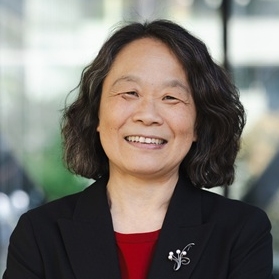
Elly Tanaka's research has been central to understanding tissue regeneration in vertebrates. She is best known for uncovering cellular and molecular mechanisms that allow organisms like the axolotl (Ambystoma mexicanum) to regenerate complex structures, including limbs and spinal cord. Since the 1990s, her lab has developed and refined techniques that made the axolotl an accessible model for modern molecular biology.
Her work focuses on stem cell biology, regeneration, and programs governing cell fate, memory, and plasticity. A key theme is how differentiated cells revert to progenitor-like states to rebuild tissues, with important implications for regenerative medicine. She integrates advanced imaging, transgenic models, and genomic approaches to study how regenerative capacity is controlled and why it varies across species.
Tanaka studied biochemistry at Harvard University and earned her PhD at UCSF. After postdoctoral research at University College London, she founded her research group at the Max Planck Institute for Cell Biology and Genetics. She later served as director of the Center for Regenerative Therapies Dresden and Senior Group Leader at the Research Institute of Molecular Pathology (IMP). In 2024, she became director of the Institute of Molecular Biotechnology (IMBA) of the Austrian Academy of Sciences.
Professional position
- Director, Institute of Molecular Biotechnology, Vienna BioCenter, Austrian Academy of Sciences