Biology Letters ECR Competition
Since Biology Letters launched in 2005, the journal's community of scientists across career stages has grown around the world. At the core of this community are the future leaders in their fields, early career researchers, who may be starting to submit their studies for publication the first time.
With this in mind, in 2022, Biology Letters launched their inaugural Early Career Researcher Competition aimed at early career researchers. The overall winner of the best published research article receives £1000 and the two runners-up receive £500 each (or currency equivalent). We hope the prizes are particularly helpful for supporting the recipients’ continued excellence in their field.
2024 Prize – now closed for entries
The 2024 competition is now closed for entries. Please check our website later this year for information on the finalists. Do you want to enter the competition in 2025? Check out the terms and conditions, including eligibility and how to enter. If you have any questions, please contact the editorial office (biologyletters@royalsociety.org) at any time.
2023 Prize – articles, winner and runners-up
The competition saw fantastic entries for the 2023 prize. You can see all of these on this special collection page.
2023 Winner
Joe Wynn for the research article Naive songbirds show seasonally appropriate spring orientation in the laboratory despite having never completed first migration.

In the winning paper, the authors show that naïve birds that have likely never left their breeding site show seasonally-appropriate spring migratory orientation, suggesting that there is likely an inherited component to spring migration. The judges found this to be a striking and unexpected result with a nicely designed study system.
Joe notes; “It’s always funny seeing how other people see you – and how their valuations of your work differ from your own – and it’s very rare that the papers I think are good that other people appreciate. To that end, I would always encourage people to be optimistic and positive when it comes to their research (including with regards to competitions!)”.
Visit our blog for a discussion with Joe Wynn about his winning paper.
2023 Runners-up
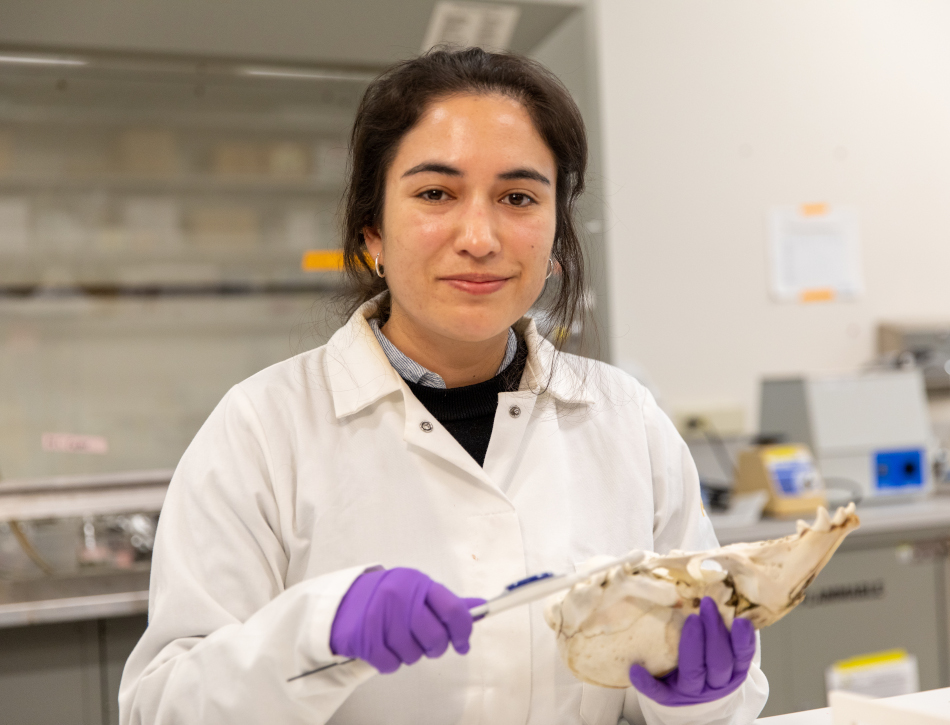
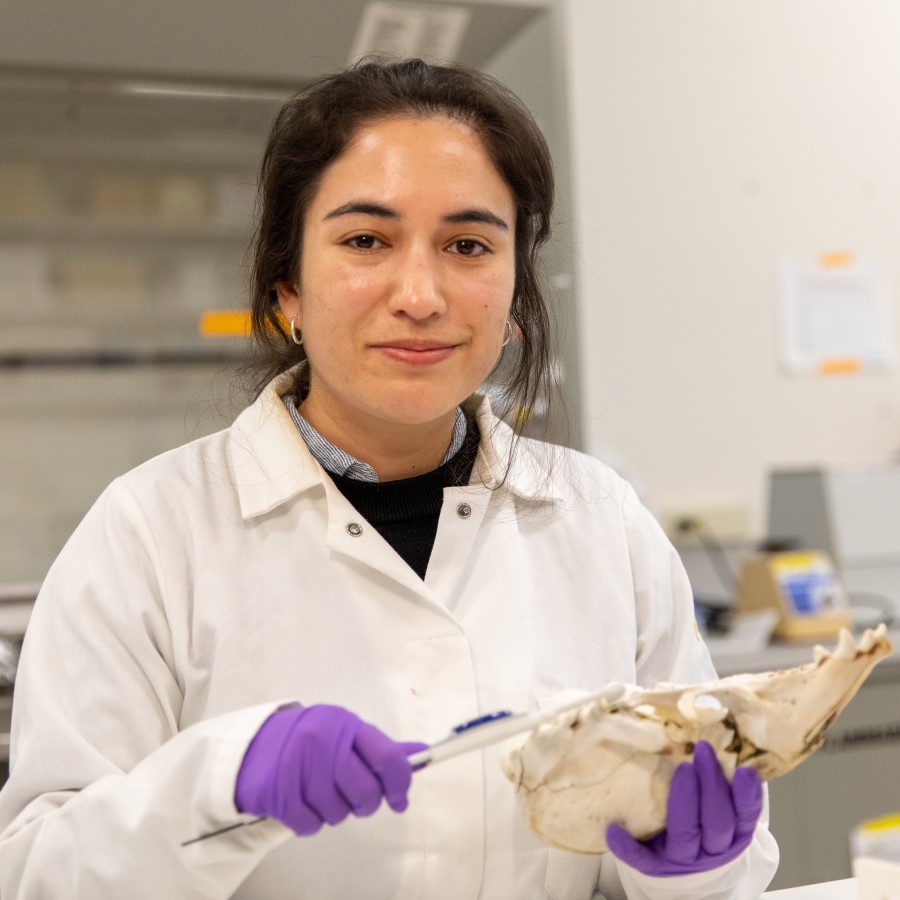
Ana Valenzuela Toro for the research article Feeding morphology and body size shape resource partitioning in an eared seal community.
Visit our blog to read a discussion with Ana Valenzuela Toro about her paper.
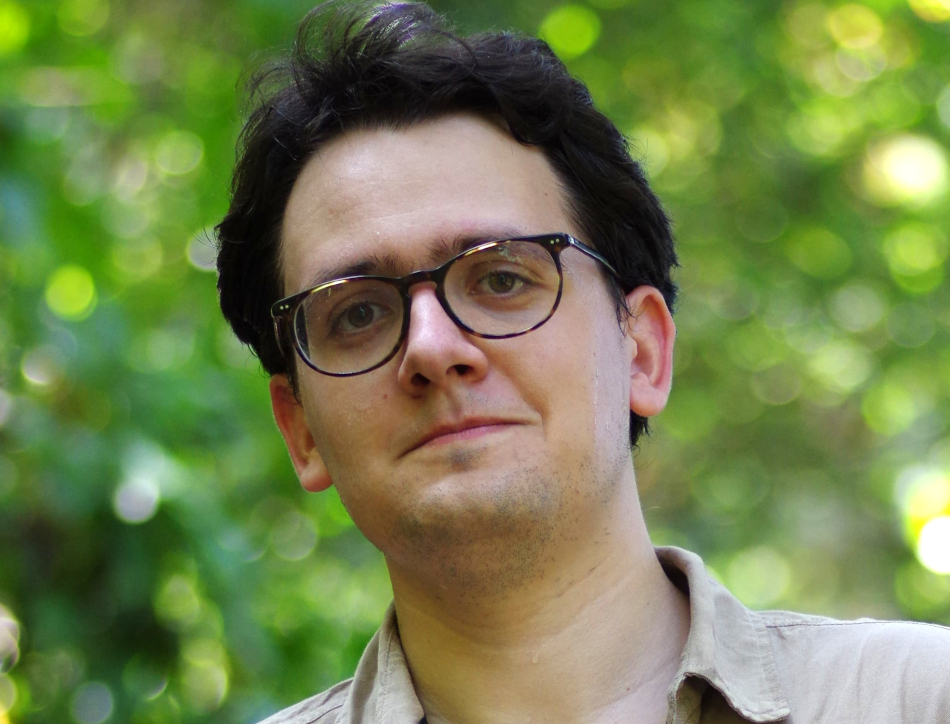
Antoine Guiguet for the research article Extreme acidity in a cynipid gall: a potential new defensive strategy against natural enemies.
Read our blog post for a discussion with Antoine Guigue about their research.
Related content


Surayya Johar
In Publishing
2 min read
Biology Letters Best Paper Prize – 2023 finalists: Part three
An interview with the overall winner of the Biology Letters Best Paper Prize 2023 competition.
Surayya Johar
In Publishing
3 min read
Biology Letters Best Paper Prize – 2023 finalists: Part two
In our second post, we hear from another of last year’s finalists about their research.
Surayya Johar
In Publishing
4 min read
Biology Letters Best Paper Prize – 2023 finalists: Part one
In this first post, we hear from one of last year’s finalists about their research.